

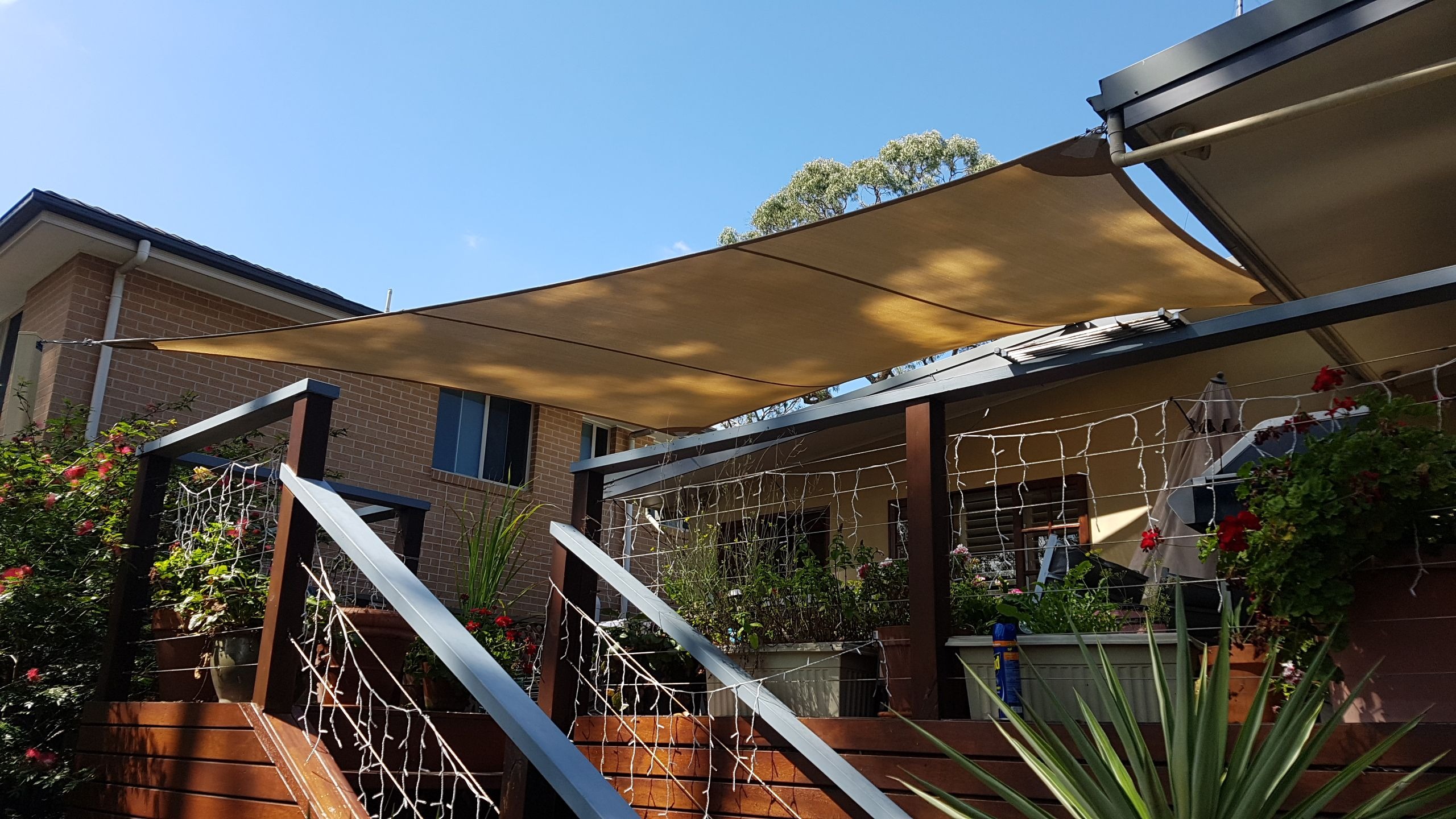
When selecting fabric for shade sails, durability is a crucial factor to consider. Shade sails are exposed to various environmental elements such as sunlight, wind, rain, and temperature fluctuations. Therefore, choosing the right fabric type ensures longevity and effectiveness in providing the desired shade.
One of the most common fabrics used for shade sails is high-density polyethylene (HDPE). HDPE is renowned for its strength and resistance to tearing and fraying. It offers excellent UV protection by blocking up to 98% of harmful rays while allowing air circulation, which helps maintain a cooler environment beneath the sail. Additionally, HDPE is resistant to mold and mildew growth due to its porous nature that allows water drainage.
Another popular choice is polyester fabric with a PVC coating. This combination provides robustness against harsh weather conditions. The PVC coating enhances water resistance significantly compared to uncoated fabrics. Polyester’s inherent strength makes it less susceptible to stretching or sagging over time, maintaining its taut appearance even after prolonged use.
Acrylic-coated polyester is another contender in this space. Known for its vibrant color retention properties, acrylic-coated polyester resists fading caused by sun exposure better than many other materials. Its tight weave structure contributes further to UV protection while offering substantial https://shade4you.eu/en_GB/c/SHADE-SAILS-MADE-TO-MEASURE/158 resistance against moisture penetration.
For those seeking an eco-friendly option without compromising on durability, recycled PET (rPET) fabrics are worth considering. Made from post-consumer plastic bottles transformed into fibers through chemical processes; rPET fabrics boast similar characteristics as virgin polyester – strong yet flexible with commendable weatherproof qualities – making them suitable alternatives when sustainability matters alongside performance standards.